IADC Drilling Well Control CourseEnrol Now
IADC members share the belief that well control is the most critical area for safe and successful operations. Comprising both, drilling operations and well servicing courses, we offer a set of comprehensive training standards for the international drilling industry. The curriculum and assessment content has been developed by the industry for the industry.
Course Overview
The purpose of this course is to submit the understanding of well control techniques for surface and subsea BOP installations at driller or supervisor level according to new International Association of Drilling Contractors (IADC) WellSharp standards.
1. Introductory
The Introductory Level course has been designed for rig crew up to derrickman level, barge engineers and subsea engineers.
2. Fundamental
The Fundamental/ Driller Level course is essential training for those currently working in a role that is expected to shut-in a well (drillers and assistant drillers). The course aims to reinforce and improve the candidate’s existing knowledge and appreciation of the various stages of shutting-in a well; from kick detection to shutting in the well, to monitoring once the well is shut in and monitoring the well-kill operation.
3. Supervisory
The Supervisory Level course is essential training for those working in wellsite supervisory roles and for office-based personnel that are primarily involved in the operational decision-making process and/or well design (toolpushers, drilling engineers, drilling supervisors, superintendents, drilling foremen, company men and others). The course aims to build on the Driller Level course content, including kick detection and shut-in, and focus on more complex aspects of well control and well kill methodology.
Course Structure
The programme is aimed at different staff levels and covers (but not limited to) the following topics, depending on the level of training chosen. Please contact us for a detailed course outline for each level of training.
№1
Basic well control concepts and awareness
№2
Mud and it management
№3
Causes of kicks
№4
Barriers
№5
Shallow gas, shallow water flows and top-hole drilling
№6
Abnormal pressure warning signs
№7
Well control drills
№8
Kick detection
№9
Shut-in pressures and verification
№10
Post-shut in monitoring and activities
№11
Well control methods
№12
Casing and cementing considerations
№13
Risk management
№14
Surface well control equipment
№15
Subsea well control equipment
Course Delivery
The 5-day course (4 days for the Level 2 Introductory course) is delivered through presentation of a series of interactive lectures supported by videos and animations, group discussion, and drilling simulation exercises, supplemented by a classroom workbook and further self-study exercises. The course is delivered in groups of 18 persons max. The candidates of each level are trained in closed groups and cannot be mixed with other levels.
We are delivering courses to your doorstep at the comfort of your own location around the world! Courses are run by both our own as well as internationally recruited trainers, depending on the region of training.
Drilling and Well Control Simulator
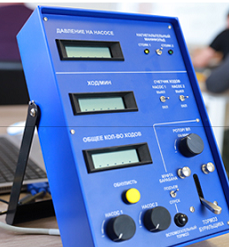
We are using the industry-leading portable real-time drilling and well control DrillSIM-20 simulators which provide the delivery hands-on well control training in accordance with the IWCF and IADC standards for industry accreditation.
The stimulator supports theoretical study with a realistic hands-on training experience. It presents graphical imitations of Drilling Controls, Manifolds and BOP consoles, controlled through a touch-screen Student Station. The station also controls the mud systems and displays surface and down-hole graphics
The DrillSIM-20 drilling and well control simulator is a portable version of the DrillSIM-5000 simulator. It is highly portable and robust making it ideal as a mobile unit for delivering training at your worksite.
Assessment
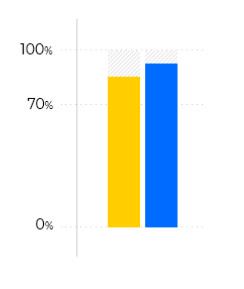
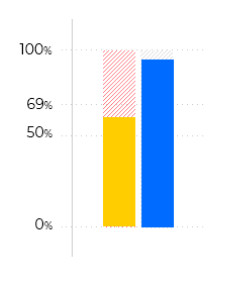
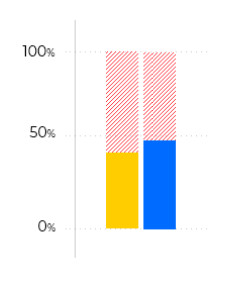
Candidates may select either “Combined” (Surface & Subsea) or “Surface Only” BOP Stack certification. Successful completion of the course and a pass mark of 70% or above in the practical simulator assessment and the online written assessment will result in IADC WellSharp certification, which is valid for two years. On the 5th day of trainin, candidates will have a final assessment, comprising of the two examination sessions, as follows:
 A minimal pass mark of 70% is required on eachof the assessments to complete the certification
1.
2.
3.
Training structure
The final course assessment comprises of three exams. Participants are expected to score 70% or more on each of the assessment blocks in order to obtain a certificate.
|
Candidates registration and safety induction |
Theory and concepts
|
Written test on principles, procedures and well control equipment |
||
|
Theory and Concepts |
Well Control Methods and Equipment
|
Written test on equipment |
||
|
Introduction to simulator
|
|
|
|
Practical assessment on simulator |
|
Theory and concepts |
Risk management
|
|||
|
Practice on simulator |
Practice on simulator
|
|||
|
Exam preparation
|