IWCF Drilling Well Control Course Enrol Now
The IWCF international certification and training programmes for the exploration and production sector of the oil and gas industry ensure quality control of the staff involved in drilling and well control operations in order to prevent well control incidents around the world. Book the course now to get an outstanding training experience and globally recognised certification for your staff.
Course Overview
The course objective is to submit the understanding of well control techniques for surface or subsea BOP installations at driller or supervisor level, according to International Well Control Forum standards. The course includes several levels, depending on the functional roles of the staff.
Level 2 (Introductory)
The Level 2 course is designed for candidates currently working in roles which may directly contribute to the creation, detection or control of a well influx. It is recommended for those working in roles such as Roughneck, Derrickman, Barge Engineer, BOP/Subsea Engineer, Mud Logger or Wellsite Drilling Data Engineer, and many others. All candidates are expected to complete Level 2 before progressing to sequential levels 3 and 4.
Level 3 (Driller)
The Level 3 course is essential training for those currently working in a role that is expected to shut-in a well, such as drillers and assistant drillers. The course aims to reinforce and improve the candidate’s existing knowledge and appreciation of the various stages of shutting-in a well; from kick detection to shutting in the well, to monitoring once the well is shut in and monitoring the well-kill operation.
Level 4 (Supervisor)
The Level 4 course is essential training for those working in wellsite supervisory roles and for office-based personnel that are primarily involved in the operational decision-making process and/or well design (a Drilling Supervisor, Superintendent or Company Man, Tool Pusher, OIM, Rig Manager and others). The course aims to build on Levels 2 and 3 course content correspondently and focus on more complex aspects of well control and well kill methodology.
Course Structure
The course structure incudes but is not limited to the topics below, depending on the chosen level of training.
№1
Well control equipment
№2
API Recommended Practices and
API Specifications
№3
Introduction to formation pressures and strengths
№4
Hydrostatic pressure
№5
Dynamic pressure
№6
Equivalent Circulating Density (ECD)
№7
Gas law and fluid behaviour
№8
Causes of kicks
№9
Kick indications
№10
Shut-in procedures
№11
Compensating for choke line friction
№12
Riser margin
№13
IWCF kill sheets for vertical wells
№14
Kill methods and kill problems
№15
Well control in deviated wells
№16
IWCF kill sheets for deviated to horizontal wells
Course Delivery
The 5-day course (4 days for the Level 2 Introductory course) is delivered through presentation of a series of interactive lectures supported by videos and animations, group discussion, and drilling simulation exercises, supplemented by a classroom workbook and further self-study exercises.
The course is delivered in groups of 15 persons max. Level 2 candidates are trained in a closed group. Whereas Level 3 and Level 4 training may be combined for common modules and during simulator-based training with each candidate, assuming their respective role as per normal drilling operations. Courses are run by both our own as well as internationally recruited trainers, depending on the region of training.
Drilling and Well Control Simulator
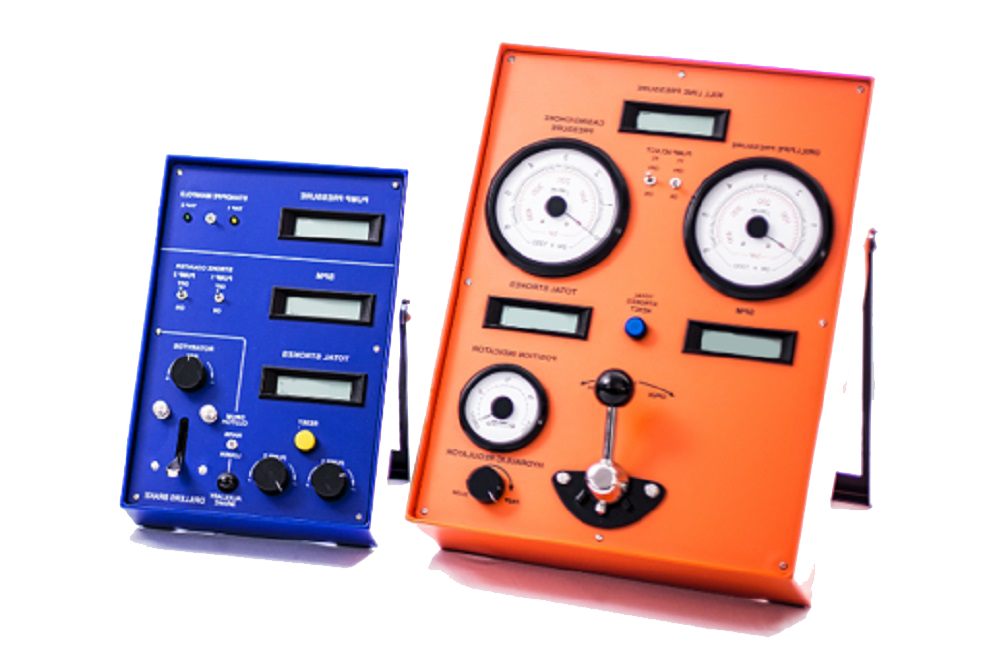
We are using the industry-leading portable real-time drilling and well control DrillSIM-20 simulators which provide the delivery hands-on well control training in accordance with the IWCF and IADC standards for industry accreditation.
The stimulator supports theoretical study with a realistic hands-on training experience. It presents graphical imitations of Drilling Controls, Manifolds and BOP consoles, controlled through a touch-screen Student Station. The station also controls the mud systems and displays surface and down-hole graphics
The DrillSIM-20 drilling and well control simulator is a portable version of the DrillSIM-5000 simulator. It is highly portable and robust making it ideal as a mobile unit for delivering training at your worksite.
Training Timeline
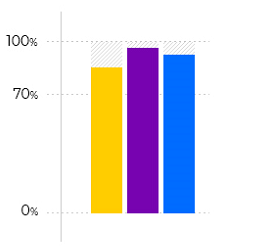
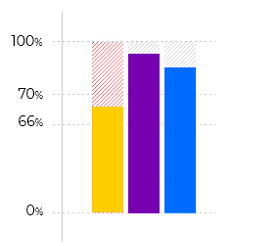
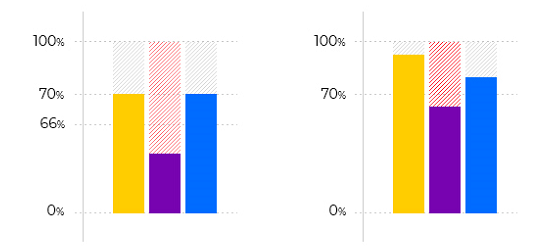
The final course assessment comprises of three exams. Participants are expected to score 70% or more on each of the assessment blocks in order to obtain a certificate.
|
Candidates registration and safety induction |
|
Theory and concepts
|
|
Written test on principles and procedures |
|
Introduction and theory |
|
Wellhead Equipment
|
|
Written test on equipment |
|
Induction to simulator |
|
Practice on simulator
|
|
Practical assessment on simulator |
|
|
Theory and concepts |
|
Preventer Control Systems |
|
|
|
Practice on simulator |
|
Practice on simulator
|
|
|
|
|
|
Exam preparation |
|
Assessment
On the 5th day of training (4th day for Level 2), participants will have a final assessment, comprising of three examination sessions, as follows:
1.
2.
3.
4.
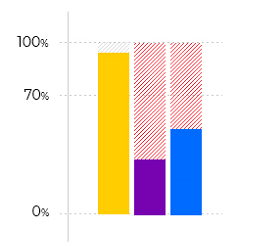
 A minimal pass mark of 70% is required on eachof the assessments to complete the certification